

Valuation Bias Can Hinder an Accurate Valuation
Valuation bias also known as appraisal bias is the fifth key factor that can affect the accuracy of a valuation. Valuers being human are inclined to interpret situations in biased ways, often based on their personal preferences, beliefs and backgrounds. Instead of getting into a psychological discussion here, put simply, two valuers seeing the same feature or attribute of a home could place a different value to that feature or attribute depending on what memories or images that feature or attribute stirs up in the valuers’ minds.
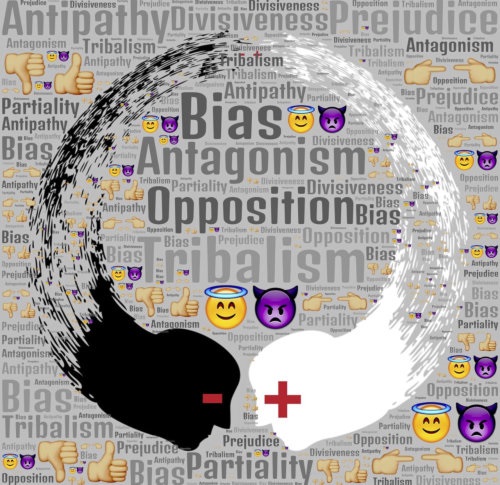
Valuation bias or appraisal bias could also be in the form of bias in selecting comparable sales (or “comps”). The valuer could select comps that fit a target value that the valuer has in mind or could be aiming for. For example, in a valuation for a home loan the valuer might be inclined to select comps that support a value that matches the sale price in the contract of sale. Instead, if comps were fairly selected, the value outcome could be higher, but the valuer aims for the value to match the contracted price “to be on the safe side”.
Worse still, biasness in a valuation or appraisal could be caused by a valuer consciously or unconsciously discriminating a property based on the property owner’s race or religion, or the demography of a neighbourhood, resulting in a value that is lower or higher than it should be. But there is no solid evidence that this kind of bias is happening in Australia.